
From Dirt to Done: The Essential Steps in Home Excavation
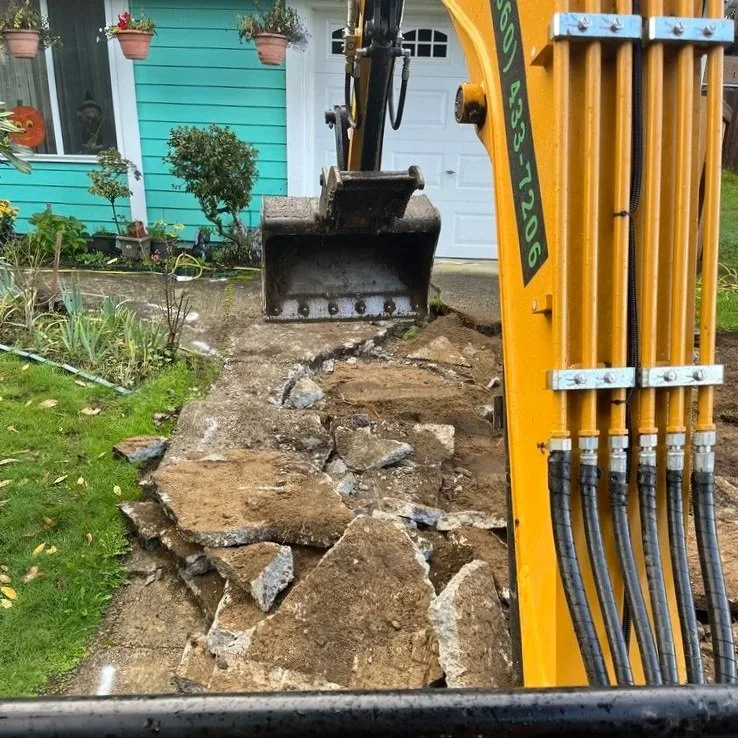
Though it might seem as simple as digging a hole, excavation is a precise and vital task that requires skill, careful planning, and the right tools.
Excavation is the first crucial step in any home construction or renovation project. It's the process of preparing the ground for the foundation and all the structures that will follow. Though it might seem as simple as digging a hole, excavation is a precise and vital task that requires skill, careful planning, and the right tools. Whether it's laying the foundation for a new home or making space for a basement, excavation sets the stage for everything that comes afterward. Here's a look at what goes into this essential part of residential construction.
Clearing the Site: The First Step to Preparation
Before digging begins, the first task is clearing the site. The area must be free from debris, trees, rocks, and any structures that could hinder progress. It's not just about tidying up the space—removing large obstacles from the land makes the excavation process safer and more efficient. Heavy equipment, such as bulldozers or excavators, is often used to handle these large tasks, removing unwanted vegetation and debris that might otherwise slow things down.
Clearing the site also involves preparing the land for excavation. Sometimes, the area might require leveling to create a stable base before digging begins. Getting the site ready might seem like a small step, but it's vital for making sure that everything that follows is on solid ground.
Digging the Trench: Precision and Planning
With the site cleared and prepared, the real excavation work begins. The most common reason for excavation on residential properties is preparing for a foundation, whether it's a slab, crawl space, or basement. Excavators will dig trenches in accordance with the project's size and depth specifications.
It's essential to dig with precision to avoid costly mistakes down the line. Whether for a house, addition, or other structures, excavation workers need to be precise with their measurements to avoid uneven settling or foundation issues. Inaccurate or poorly executed excavation can result in drainage problems, uneven footings, or even the collapse of the foundation. Skilled operators use various tools, including laser levels, to guarantee the exact depth and angle required for the foundation. Even the slightest mistake can create instability, so it's critical to get it right from the beginning.
Soil Testing and Stability
Not all soil is created equal. Before excavation begins, soil testing can be conducted to determine the type of material being encountered. In some cases, the soil might be too loose, soft, or unstable to support a heavy structure. If the ground isn't solid enough, additional measures may be needed to stabilize it before excavation proceeds.
Soil compaction may be required to provide a strong foundation. If the soil is unstable, engineers may suggest adding gravel, sand, or other materials to reinforce the site. Proper soil preparation during excavation prevents future issues like shifting or cracking foundations. Soil testing is a key factor in determining how to proceed with excavation and which steps are necessary to ensure a durable foundation.
Digging for Utilities: The Unsung Hero of Excavation
Excavation isn't just about making room for a foundation—it also involves digging trenches for essential utilities. These utilities might include water pipes, electrical lines, gas connections, or sewage systems. These underground systems need to be carefully placed to secure proper function and safety.
Utility excavation must be precise. Without proper installation of utilities, the home's future functionality could be compromised. Excavators must be aware of existing underground systems to avoid damaging any pre-installed infrastructure. Digging for utilities requires knowledge of local regulations and a clear understanding of where the lines should be placed. In many cases, professionals use specialized equipment to map out the safest routes for utility lines.
Proper Grading: Securing a Strong, Safe Structure
Grading is one of the final steps in the excavation process. Once the trench or foundation area is dug, the land needs to be graded, leveled, and shaped to direct water away from the structure. Proper grading is vital for preventing water damage to the foundation.
Water can be one of the most damaging forces to a home, especially if it pools around the foundation. Grading creates a slight slope that allows water to flow away from the building, keeping the foundation dry and free from damage. A well-graded site prevents flooding, erosion, and foundation cracks by confirming that water doesn't collect and cause structural problems. Excavators use equipment such as skid steers and bulldozers to shape the soil into the perfect form for proper drainage.
Managing Environmental Factors: Weather and Timing
Excavation isn't immune to the whims of Mother Nature. The weather plays a substantial role in how excavation projects proceed. Heavy rain can make the ground difficult to dig, while freezing temperatures can harden the soil. On the other hand, scorching heat can dry out the soil too quickly, making it more challenging to manage.
Excavation professionals understand how to navigate these conditions. They'll adjust their methods and timeline to account for the weather. Proper timing is key in excavation. Delays caused by adverse weather conditions can push the entire construction timeline back, so excavation crews do everything they can to stay on track while also considering the environmental factors that could affect the work.
Leveling and Compaction: Preparing for What Comes Next
Once the site is cleared, excavated, and graded, the next step is soil compaction. Soil compaction is necessary to create a stable, firm foundation surface. Loose soil can lead to future settlement and unevenness, compromising the integrity of the foundation. During compaction, heavy machinery compacts the soil, making it denser and less likely to shift over time.
Soil compaction is vital for all foundation types. Whether you're building a traditional slab, crawl space, or basement, compacted soil serves as the solid base upon which the rest of the house will sit. Once the soil is compacted, the site is ready for the pouring of the foundation.
Clearing Up for Concrete: Ready for the Pour
Once excavation, grading, and compaction are complete, the site is ready for the next phase: pouring concrete. With the foundation trenches or pads properly prepared, the concrete will be poured, curing into a solid and stable base. At this stage, excavation work is essentially done, and the focus shifts to the framing and construction of the house or structure.
Excavation is not just about digging and moving dirt; it's about laying the groundwork for everything that follows. From confirming proper drainage to creating a stable foundation, every part of the excavation process is integral to the success of the entire construction project. Whether you're building a new home or adding an extension, residential excavation is the first and most important step toward turning dreams into reality.
PTTC Concrete offers residential property owners in Olympia, Washington with quality excavation solutions. We specialize in residential excavation for foundations and site preparation for construction. Our skilled and knowledgeable team ensures clear communication and long-lasting quality. We provide solutions that stand the test of time. Call now for a free estimate.
