

Our Blog
Concrete Repair or Replace: How to Know Which Wins
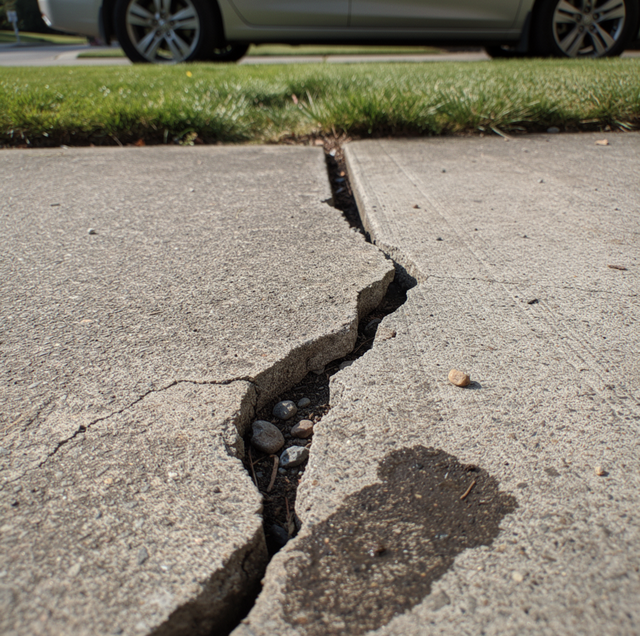
That table is a starting point, not a final verdict. Every slab is different, and the right call between patching a crack and tearing out a section rests on a handful of specific factors a contractor evaluates on site: how wide the crack is, whether there's a height difference between the two sides, how much of the slab is affected, and whether the base underneath has actually failed or is simply settling in one localized spot.
Concrete Base Prep: The Excavation Steps That Matter
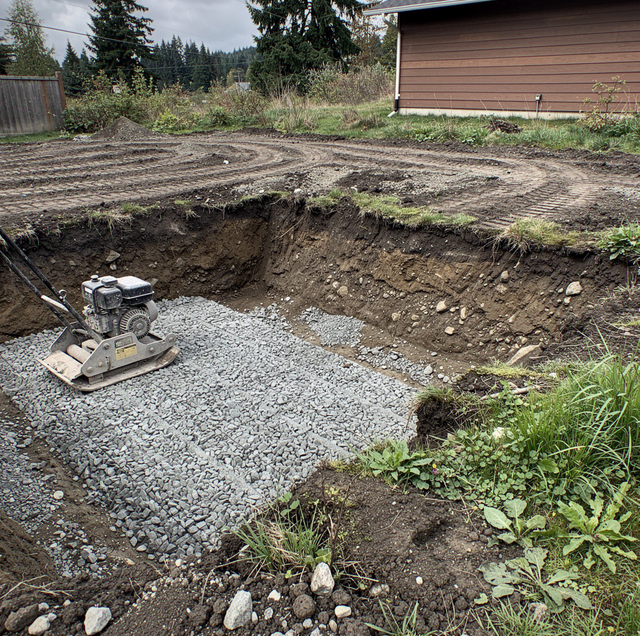
Why does one concrete slab hold up for decades while another, poured from the same truck by the same crew, starts cracking and sinking within a couple of years?
Why Concrete Discolors and Gets White Stains: 6 Causes
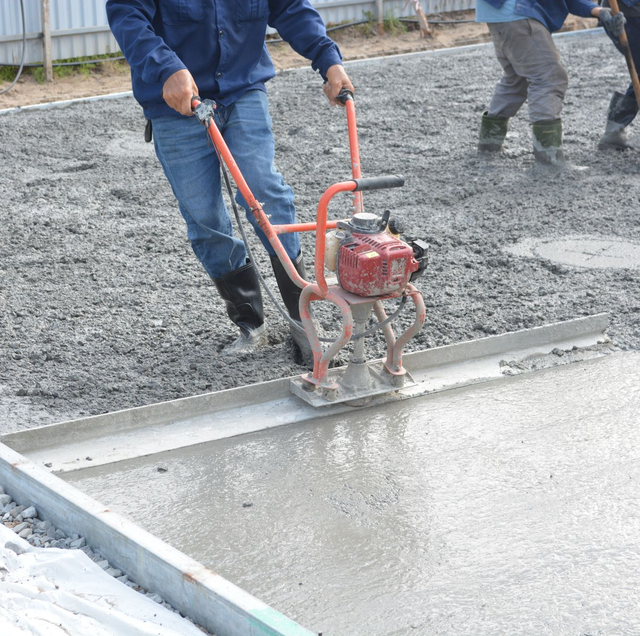
A fresh concrete slab that looked clean and gray at pour can turn up weeks later wearing a chalky white haze, a patch of orange, or a set of blotchy light-and-dark zones that make it look dirty even after a wash.
Concrete Resurfacing vs Replacement: How to Choose
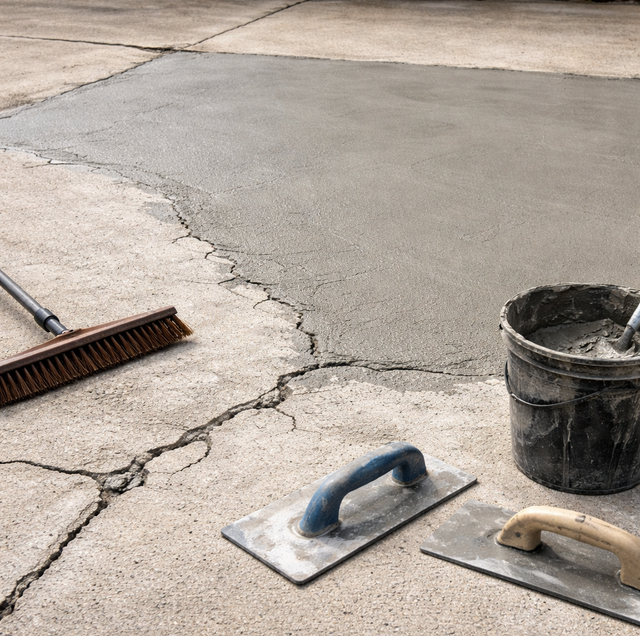
Your driveway or patio looks rough. The surface is worn, blotchy, maybe flaking in spots, with a few thin cracks tracing across it.
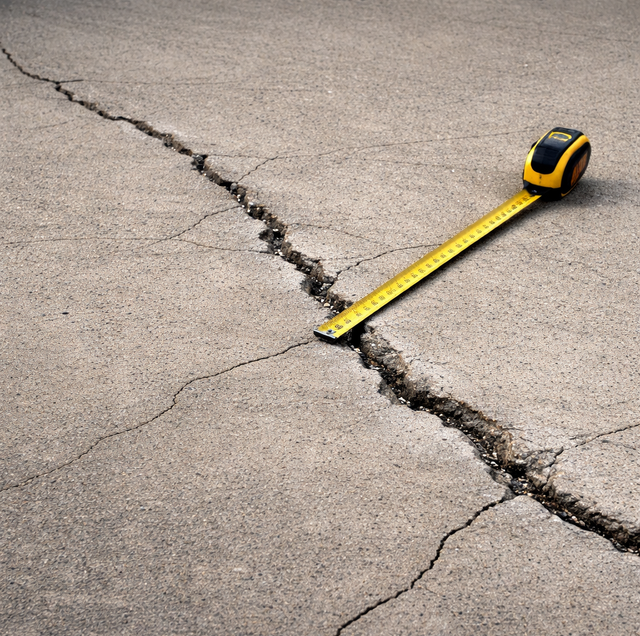
Concrete Crack Cosmetic vs Structural: Read the Warning Signs
Almost every concrete surface cracks eventually, and the sight of a fresh line running across a driveway or garage floor sends a lot of homeowners into a small panic.
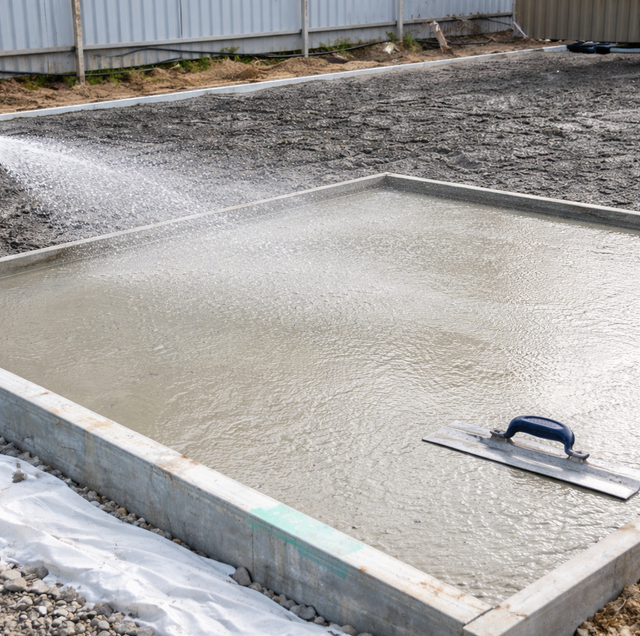
How Long Does Concrete Take to Cure? The Real Timeline
A fresh slab can look finished within a day, hard, gray, and dry to the touch.
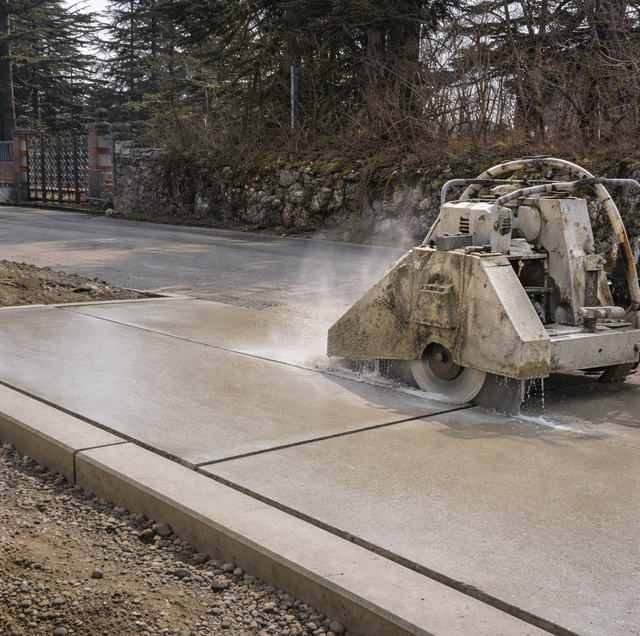
Concrete Control Joints: Where Cracks Go to Hide
A fresh concrete slab looks solid and permanent the day it is finished, but it is already changing under the surface.
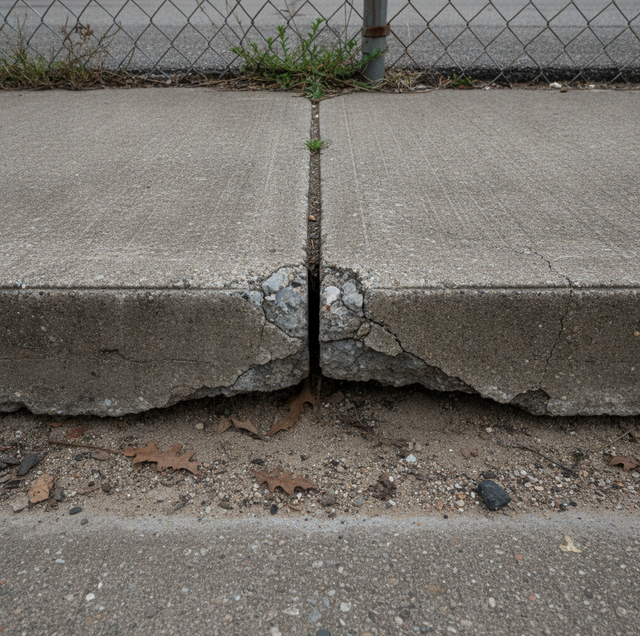
Why Is My Concrete Slab Sinking or Uneven?
A patio that once sat flush with the door now steps down at one edge. A driveway panel has tipped so rainwater runs the wrong way, and a sidewalk joint has risen into a toe-catcher. Concrete this heavy does not move on its own. When a slab sinks or goes uneven, the ground carrying it has changed, and the slab follows. Reading what shifted underneath is the whole job, because the same lift that raises the slab back to level will not hold unless the reason it dropped gets fixed first.
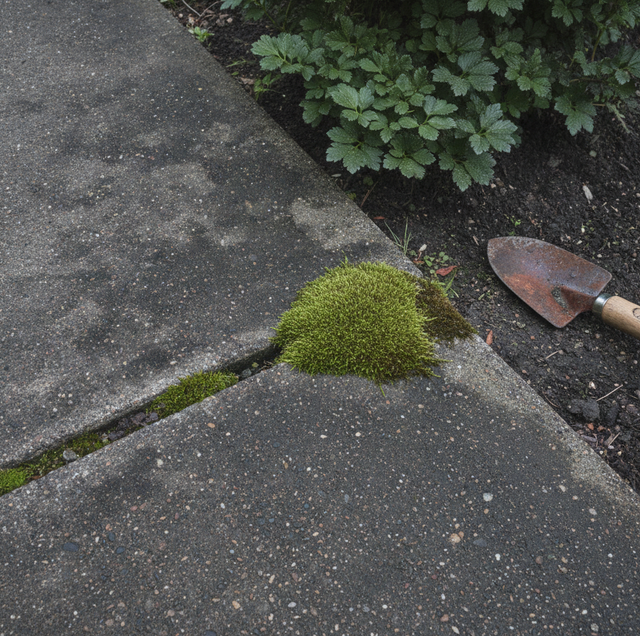
Why Is Moss Growing on My Concrete? The 3 Conditions Behind It
Moss and green algae do not appear on concrete at random. They show up wherever three conditions overlap: steady moisture, shade that keeps the surface from drying, and a slightly rough, porous top layer that holds water and airborne spores long enough for growth to root. Take away any one of those three, and the slab stays clean. Leave all three in place, and no amount of scrubbing keeps the green off for long.
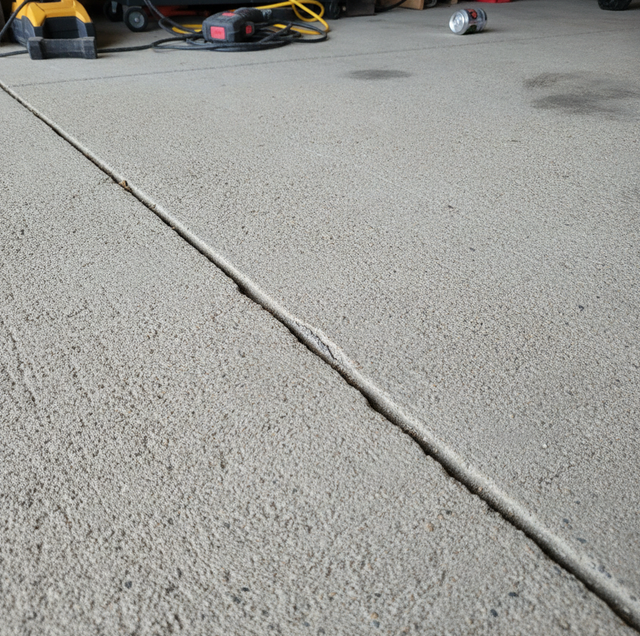
Why Does New Concrete Develop Hairline Cracks?
The slab is barely a few weeks old, and thin lines are already tracing across the surface. It stings to spot cracks in something you just paid to have poured, and the reflex is to assume the pour was botched. In most cases, though, hairline cracks in new concrete are a normal part of how the material cures, not a defect. Knowing why they form, and which ones deserve attention, takes the alarm out of a small crack and tells you when one is worth a closer look.
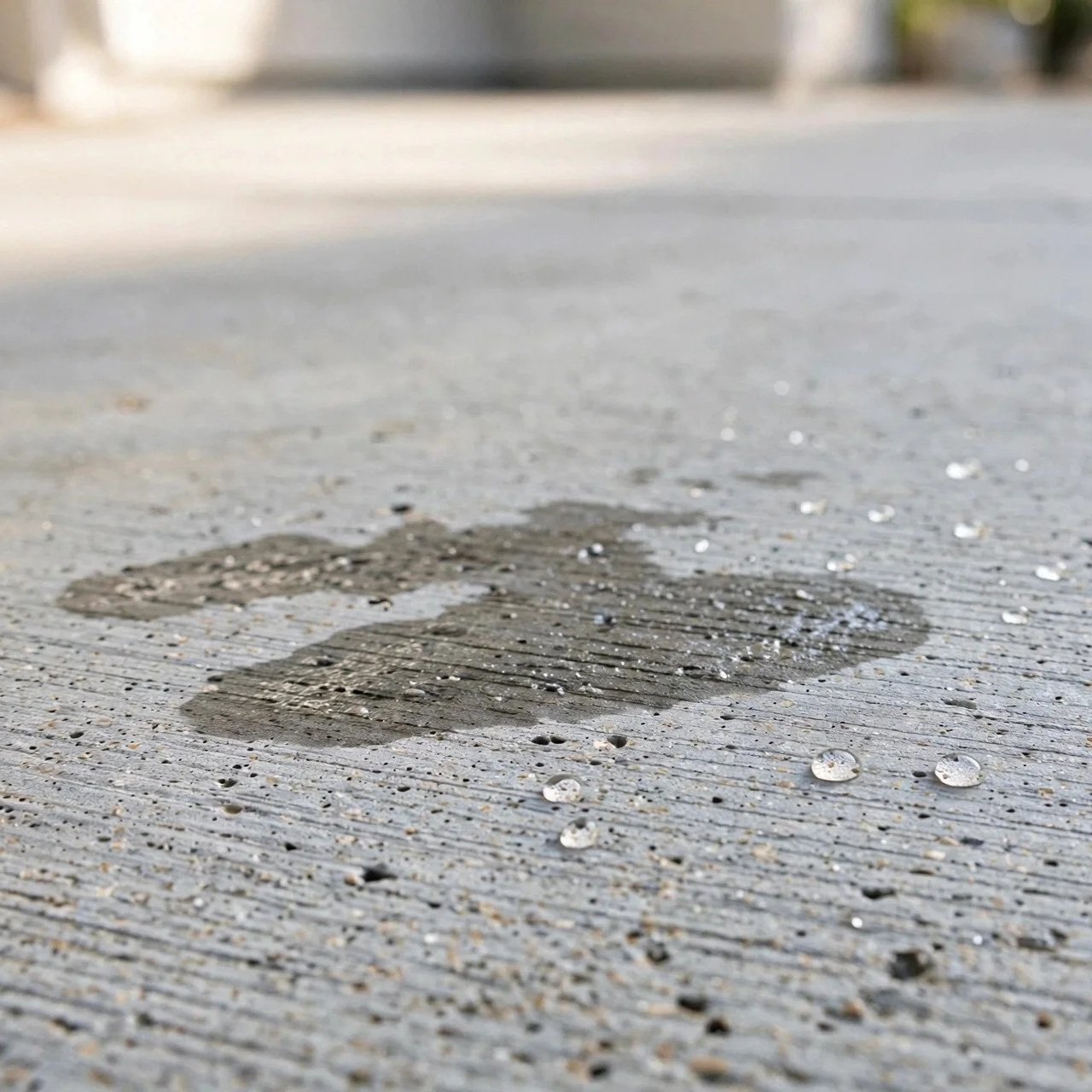
Signs Your Concrete Needs Sealing (Before Water Wins)
Concrete looks solid, and that fools people. Under a microscope, a cured slab is riddled with tiny pores and capillary channels, and those openings pull in water the same way a paper towel wicks up a spill. A sealer's whole job is to slow that down. It keeps water, oil, road salt, and staining agents from soaking into the surface and settling where you can't reach them, and on a slab that faces freezing weather, it blunts the freeze-thaw cycle that pries concrete apart from the inside.
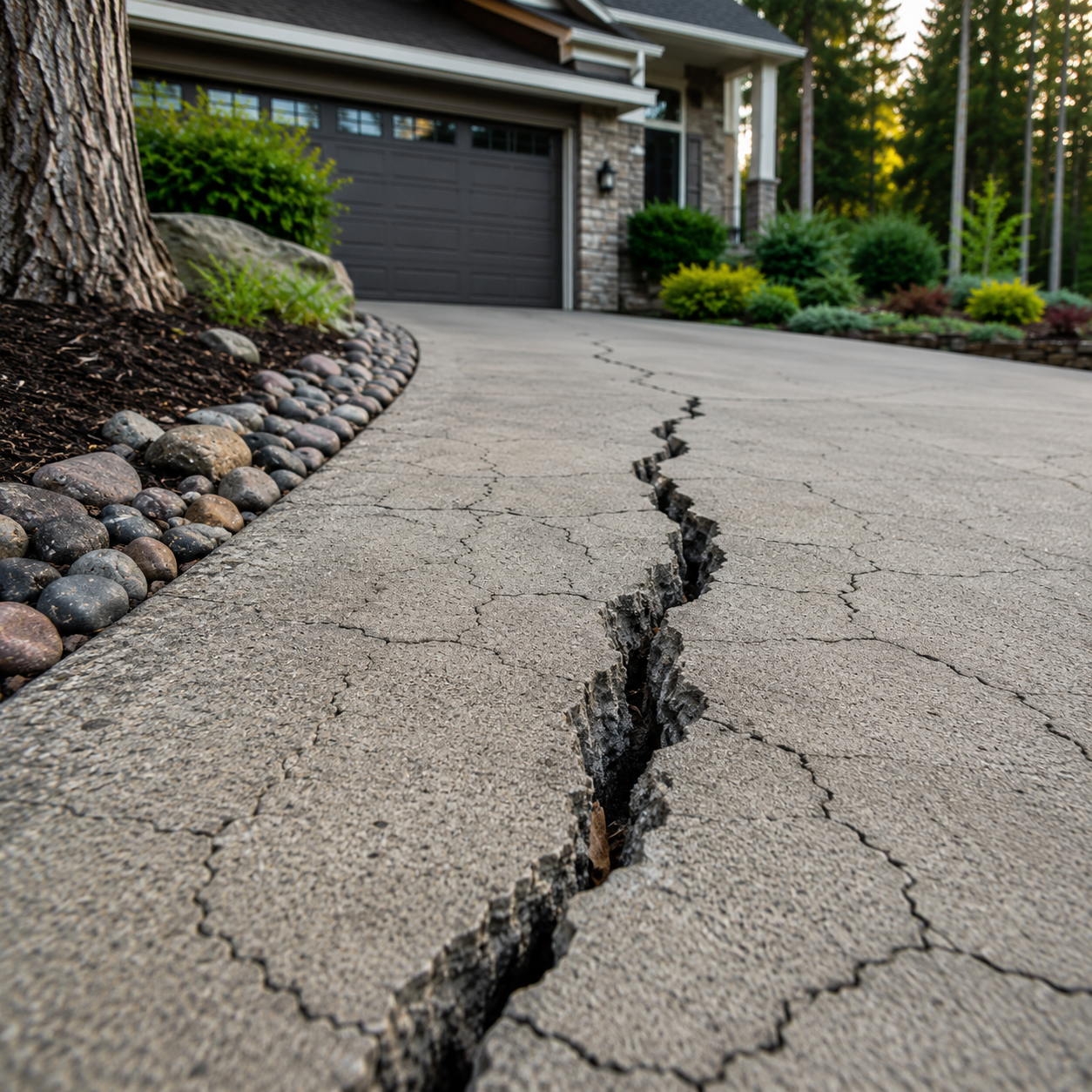
Why Your Concrete Driveway Is Cracking (and Which Cracks Matter)
You pull into the driveway, and there it is again — a crack running across the concrete that looked solid a couple of winters ago. It's frustrating because concrete feels like it should last forever, and a crack reads like failure. Most cracks, though, trace back to what's under the slab or how it was poured, not the concrete itself giving out. Knowing which crack you're looking at tells you whether it's a cosmetic annoyance or a sign of trouble below.
Water Pooling on Your Concrete? Why It Happens
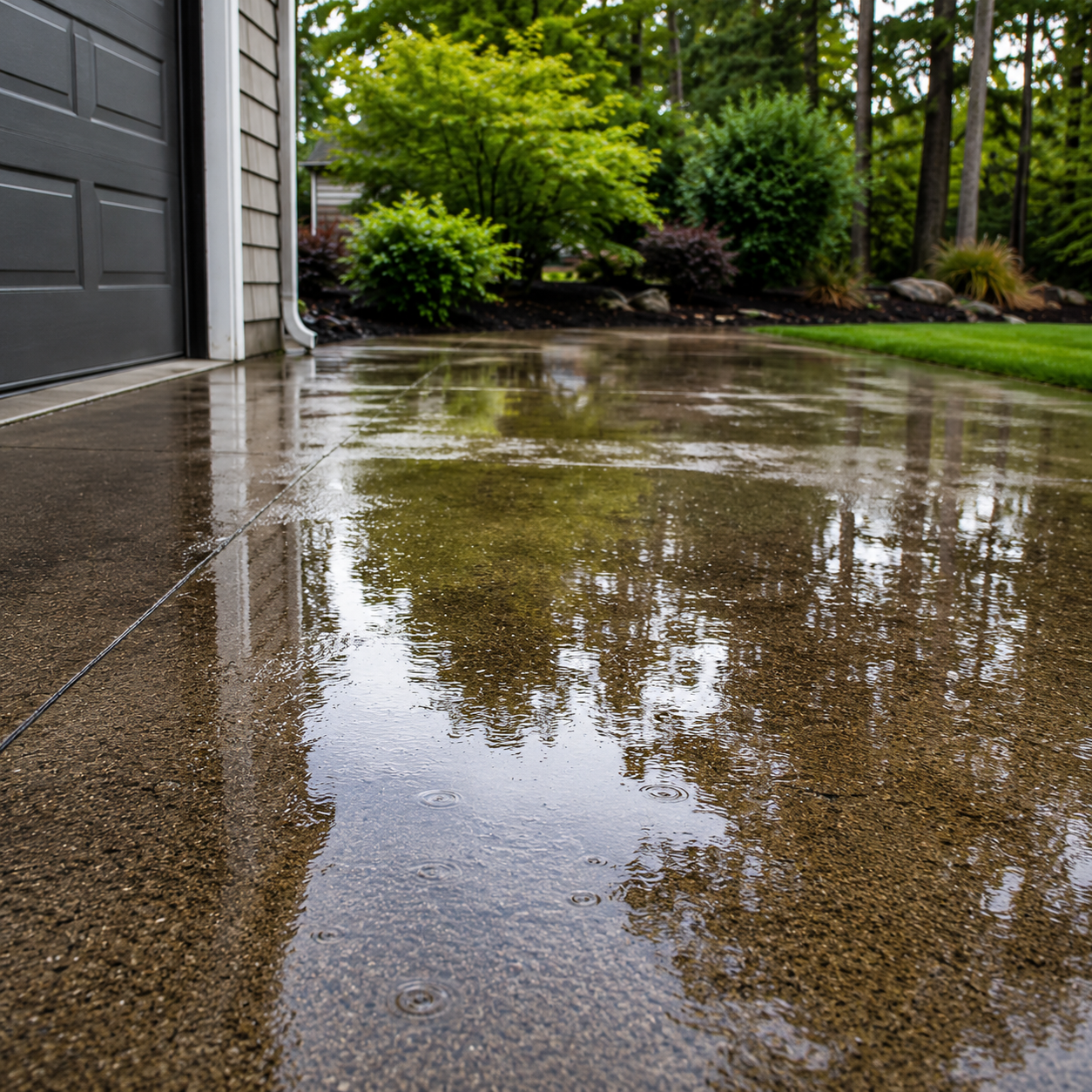
After it rains, you walk out and find puddles sitting on the patio or driveway long after the sky cleared — flat sheets of water that just won't drain. Pooling water, or ponding, looks harmless, but on concrete in a wet climate, it's a slow problem. Water that has nowhere to go works on the surface and the slab, and in the rainy Northwest, there's a lot of water and a lot of time for it to do damage. The reason it pools almost always comes down to slope, and the reason it matters comes down to what standing water does to concrete.
Why Concrete Spalls and Flakes in the Pacific Northwest
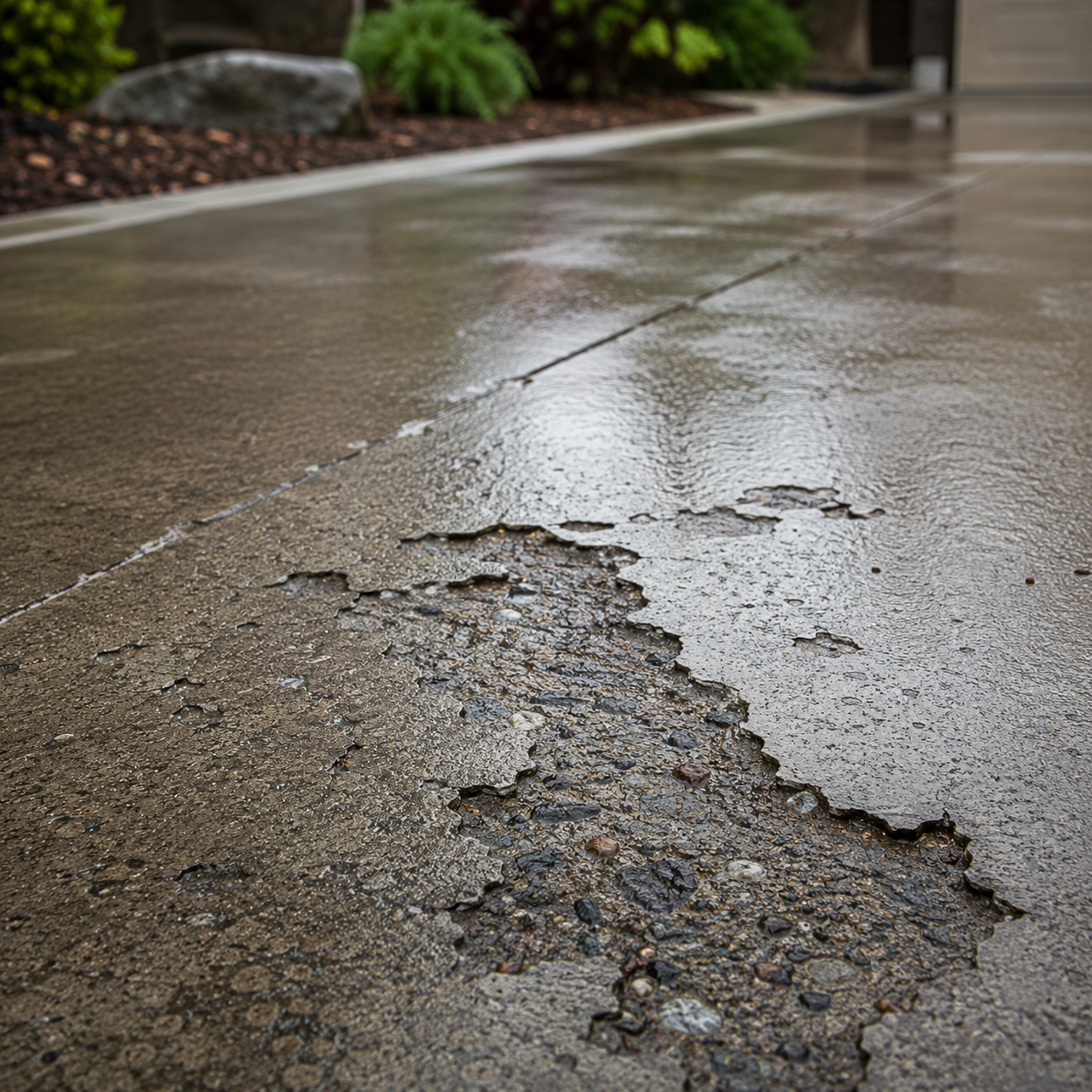
You glance down at a patio or garage slab and notice the surface has started to come apart — flaky patches, shallow pits, a spot where the smooth top has peeled away, revealing the gritty stone beneath. That's spalling, and in a climate as wet as the South Sound, it's one of the most common ways concrete shows its age. It looks like the concrete is rotting, but what's really happening is water and cold working on the surface from the outside in. Understanding the mechanism explains both why it happens here and how to slow it down.
Stamped vs Standard Concrete Patio: Which Is Right for You?
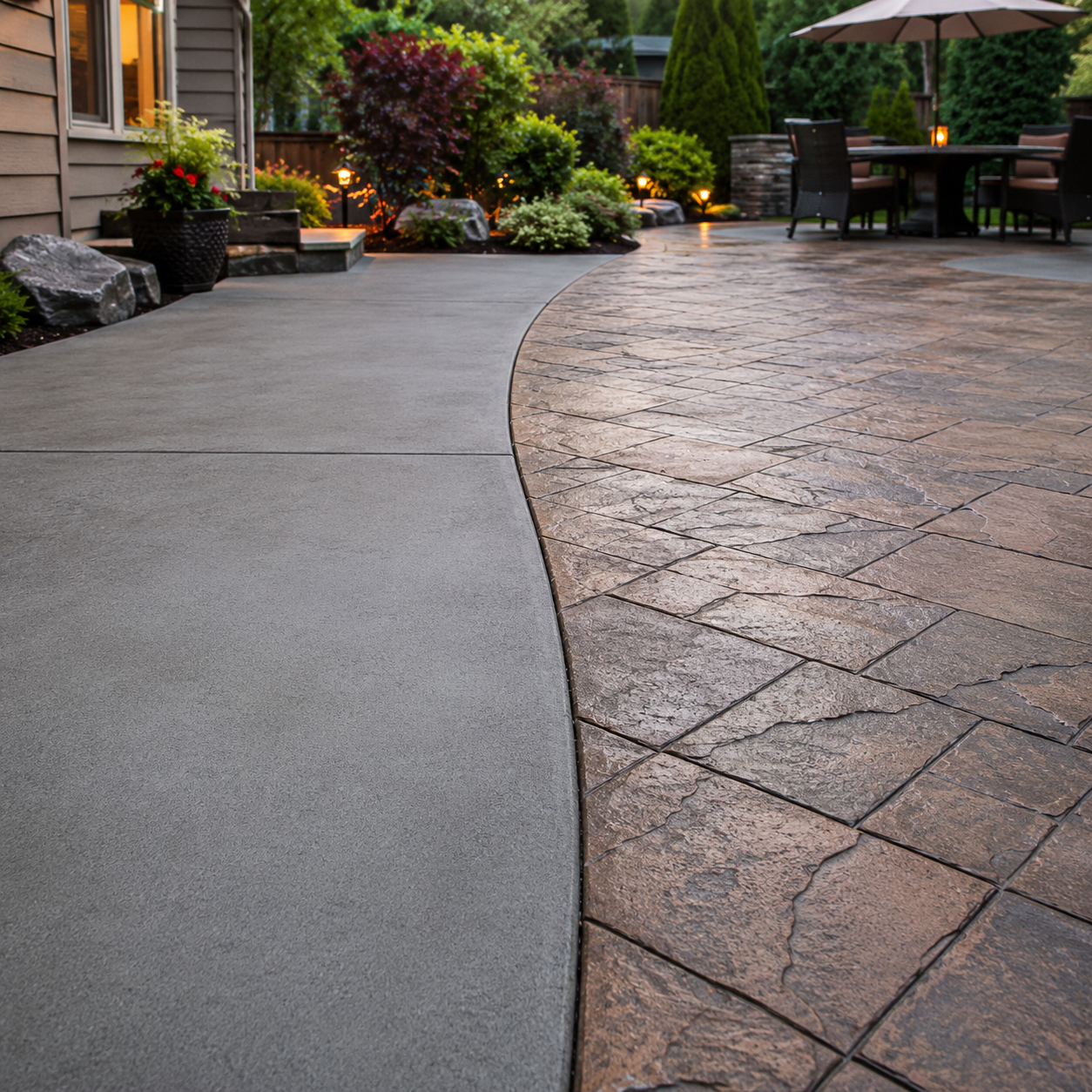
You've decided on a concrete patio, and now there's a choice that changes how it looks for years: keep it standard, or have it stamped to look like stone or brick? Both start as the same poured concrete, and both are durable, but they land in very different places in terms of looks, upkeep, and budget. The right pick depends on what you want the patio to do — be a clean, practical surface, or be a design feature — and how much maintenance you're willing to keep up with in a wet climate.
How Freeze-Thaw Cycles Quietly Destroy Concrete
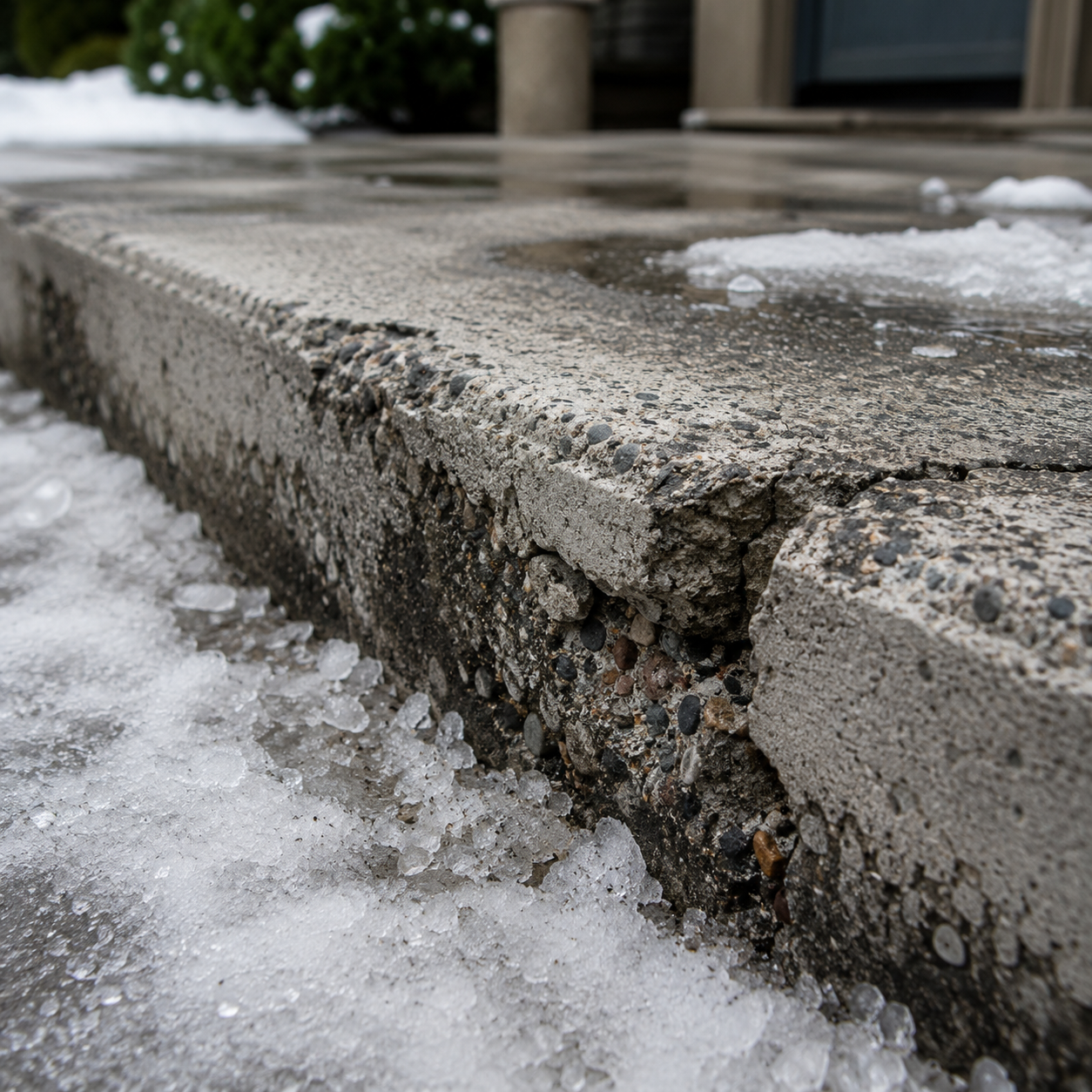
Concrete looks like the last thing water could hurt — it's hard, gray, and built to last. But every winter in a climate like the South Sound, water does something quietly destructive to it, one freeze at a time. The culprit is a basic fact of physics: water expands when it freezes. Inside concrete, that expansion is a slow wrecking force, and understanding how it works explains why Pacific Northwest concrete cracks and flakes, and what actually protects it.
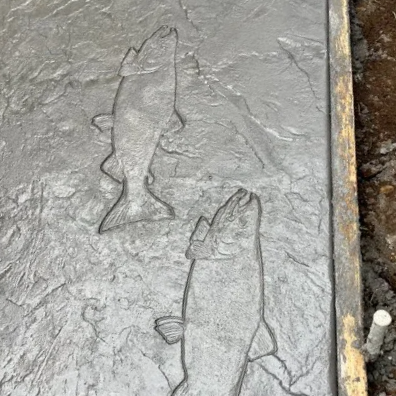
Heavyweight Champion: Why Concrete Is the Unsung Hero of Modern Living
From the foundation of your home to the very sidewalks you walk on, concrete is there, doing its job with quiet strength.
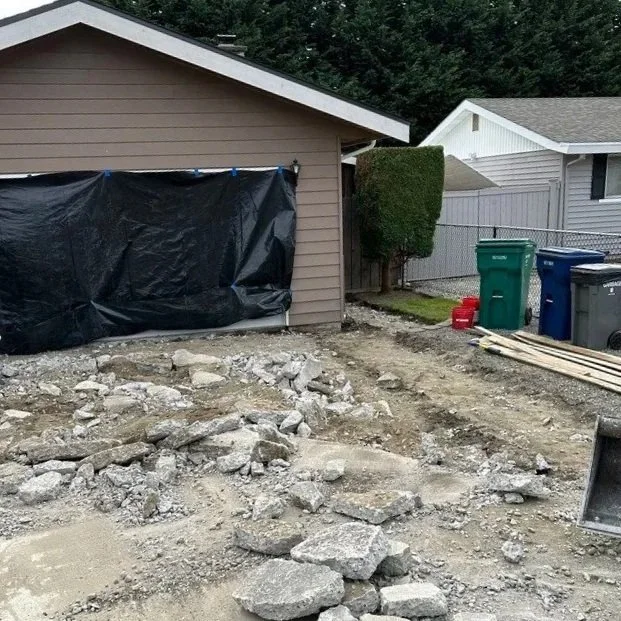
Laying the Groundwork: What to Expect With New Construction Foundations
The right foundation provides a safe and reliable base for everything built above it.
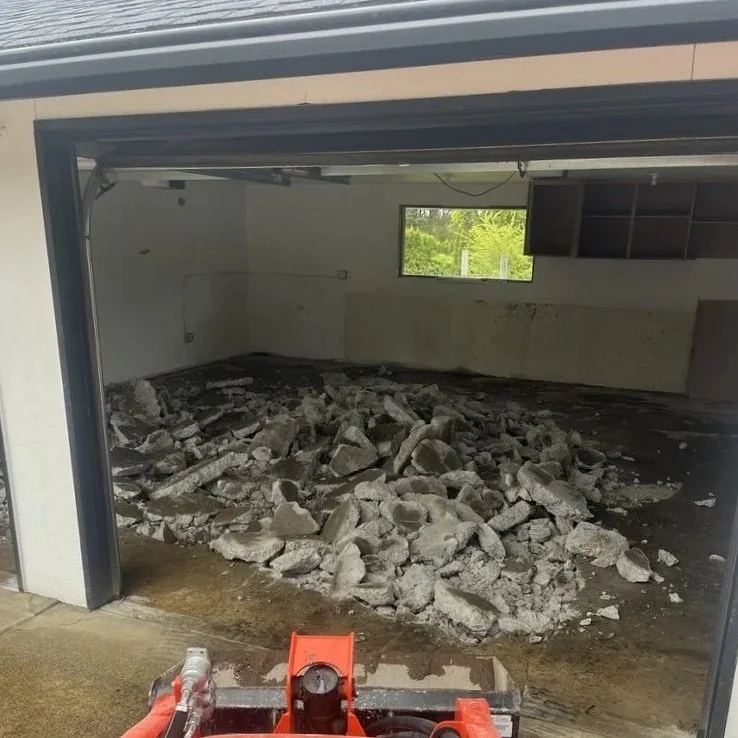
Unearthing Success Through the Role of Excavation in Flawless Projects
Getting the excavation right means avoiding costly mistakes and ensuring that the rest of the project flows smoothly.
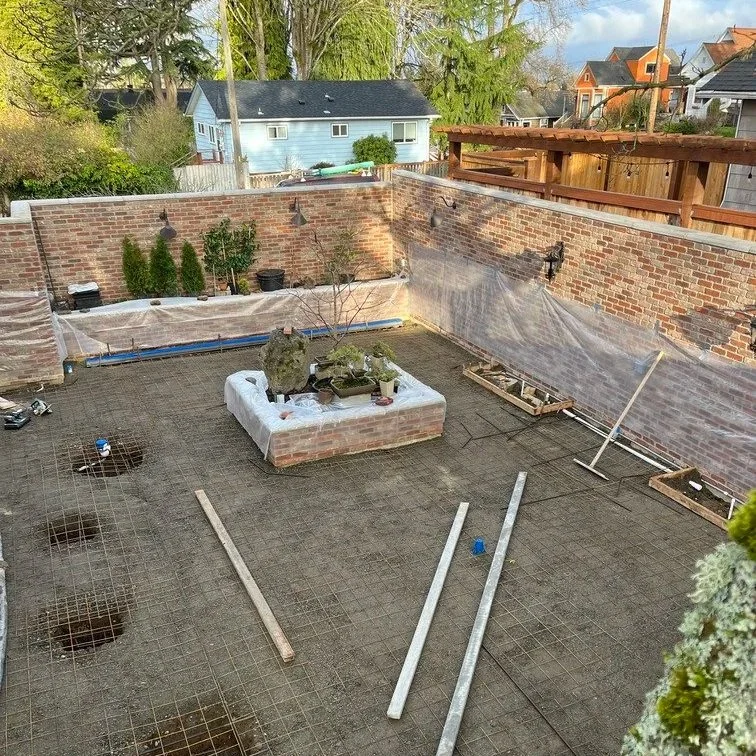
Backyard Bliss: Turning Patios into Personal Paradises
Whether you’re envisioning a cozy nook for quiet afternoons or a luxurious entertaining space for family and friends, transforming your patio into a personal paradise can elevate your entire home.