
Sidewalk Stories: How Concrete Paths Shape Neighborhoods
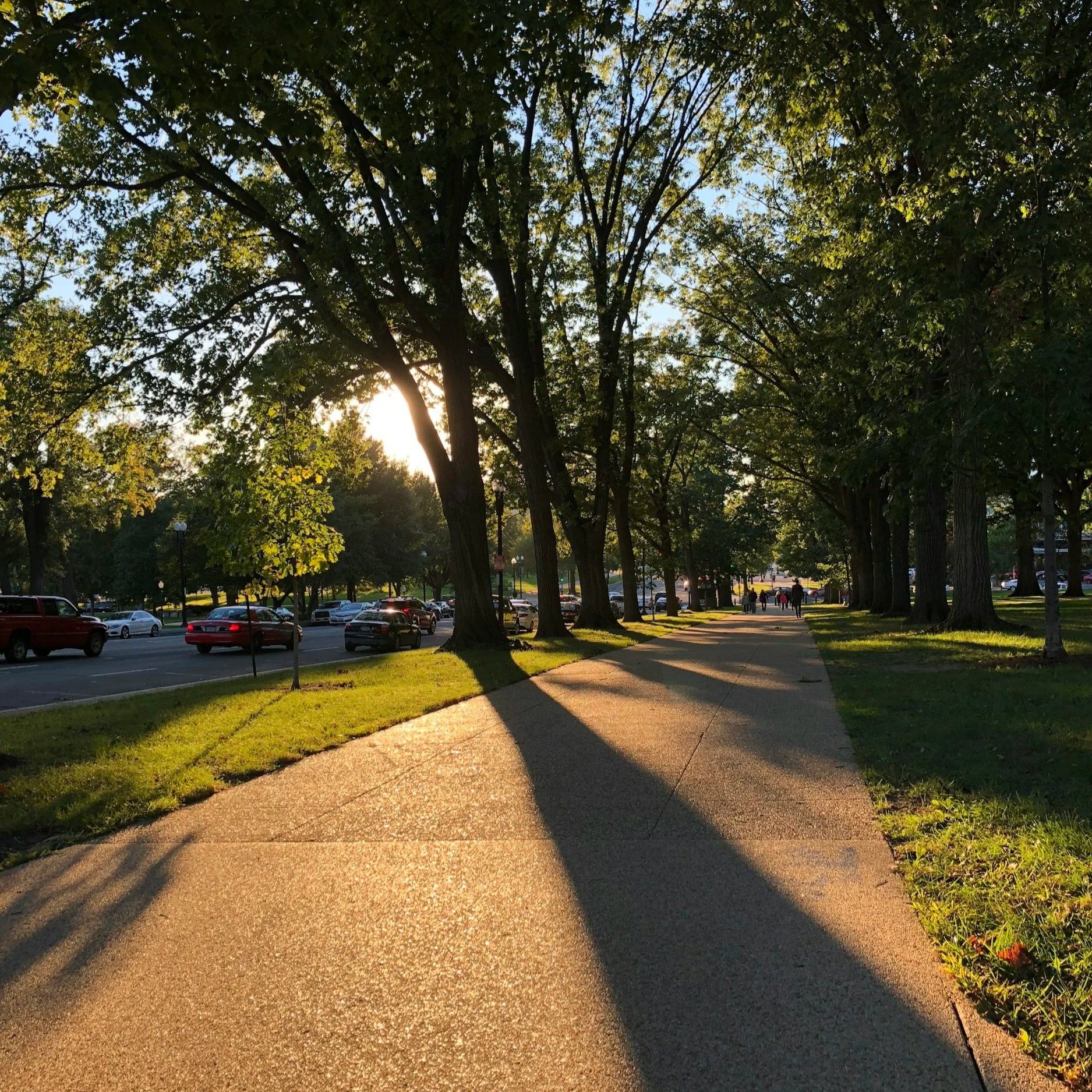
Though often overlooked, sidewalks shape how people move, interact, and experience their surroundings.
Concrete sidewalks are more than just a practical feature of any neighborhood; they are the quiet architects of community design and flow. Though often overlooked, sidewalks shape how people move, interact, and experience their surroundings. From the first steps of children learning to walk to daily commutes, sidewalks play a key role in connecting homes, businesses, and public spaces, all while adding a solid touch to the neighborhood's overall aesthetic.
The Role of Sidewalks in Community Design
Sidewalks act as the veins and arteries of a neighborhood, providing safe passageways for pedestrians to travel. Without them, walking would become a treacherous endeavor. Concrete sidewalks, in particular, offer durability and resilience, making them an ideal solution for high-traffic areas. They create a safe, defined space for people to walk, separating foot traffic from vehicles and improving access to various parts of a neighborhood.
Beyond just function, sidewalks also influence the design and feel of a community. The smooth, uniform surfaces of concrete sidewalks help create a sense of order and coherence, leading the eye from one point to the next. Whether leading you down a quiet residential street or to the bustling heart of a local business district, these concrete paths encourage exploration and connectivity. The rhythm of sidewalk placements and their connection to surrounding properties often helps shape how the neighborhood feels—organized, open, and walkable.
Pedestrian-Friendly Design and Community Health
When designed properly, sidewalks can enhance the overall pedestrian experience, making it easier and safer to walk from one location to another. Thoughtfully placed sidewalks provide a safe walking route for people of all ages, from young children heading to school to seniors enjoying a stroll around the block. By providing safe, dedicated walking spaces, concrete sidewalks foster a pedestrian-friendly environment.
These paths also contribute to public health by promoting more walking and active transportation. A neighborhood with accessible, well-maintained sidewalks encourages people to leave their cars behind and walk or bike instead. Whether for daily errands, exercise, or simply enjoying the outdoors, the presence of sidewalks makes walking a practical and attractive option.
In addition, well-maintained sidewalks help prevent accidents caused by uneven or damaged pathways, reducing the risk of falls and injuries. Concrete sidewalks are especially effective in this regard because they are durable and resistant to shifting or cracking over time. While other materials like asphalt may require regular maintenance, concrete sidewalks stay strong and stable, keeping pedestrians safe and sound.
Aesthetic Appeal and Curb Appeal
Concrete sidewalks may seem like a utilitarian feature at first, but they have the potential to contribute to the aesthetic appeal of an entire neighborhood. With the ability to be customized through finishes like exposed aggregate, stamping, or staining, sidewalks can be more than just functional—they can complement the architectural style of surrounding homes or businesses.
For instance, a stamped concrete sidewalk can mimic the look of stone, wood, or even brick, adding texture and visual interest to the neighborhood. Whether you’re designing a sidewalk to lead up to a grand entrance or simply connecting a few local shops, decorative concrete can elevate the visual appeal of the streetscape. Colored concrete, in particular, can introduce vibrant hues that match or contrast with the surrounding greenery, making the sidewalk a standout feature rather than just a simple passageway.
When sidewalks are part of an overall cohesive design scheme, they can create an inviting atmosphere for residents and visitors alike. A beautifully finished concrete sidewalk not only improves the look of the street but also boosts the curb appeal of homes and businesses nearby.
Enhancing Mobility and Connectivity
Sidewalks are crucial to improving connectivity within a neighborhood. They serve as essential connectors between residential areas, local businesses, parks, schools, and public transportation hubs. With the increasing emphasis on sustainable urban development, creating walkable neighborhoods has become a priority in community planning. Concrete sidewalks support these efforts by providing an easy, durable way to link various parts of the community together.
For cities and towns looking to revitalize older areas or accommodate new developments, the installation of quality sidewalks can transform the pedestrian experience. In busy commercial areas, sidewalks encourage foot traffic to local businesses, increasing visibility and footfall. In residential areas, they provide a safe route for families, children, and pets, helping create a sense of belonging within the neighborhood. The added connectivity makes people feel more engaged with their community and encourages social interaction, fostering stronger neighborhood ties.
Long-Term Durability and Low Maintenance
One of the biggest advantages of concrete sidewalks is their long-lasting nature. Unlike other materials that may shift or crack over time, concrete is durable and designed to withstand heavy foot traffic, changing weather conditions, and the test of time. A properly installed concrete sidewalk can last for decades with little more than occasional cleaning or resealing.
The strength and durability of concrete make it the ideal choice for sidewalks with high pedestrian traffic. Concrete slabs resist shifting, cracking, or developing potholes, which are common issues with materials like asphalt. In areas prone to extreme weather, concrete sidewalks hold up well against the freeze-thaw cycle, ensuring that they remain safe to use year after year.
Additionally, concrete sidewalks are easy to maintain. A quick sweep or rinse is usually enough to keep them clean, and periodic resealing can help protect the surface from stains and weather damage. For neighborhoods where heavy rain, snow, or debris is common, concrete sidewalks offer a practical, low-maintenance solution that won’t require frequent repairs.
Eco-Friendly and Sustainable
Concrete is a highly sustainable material, making it an excellent choice for environmentally-conscious homeowners and city planners. Concrete is energy-efficient and has a low environmental impact when compared to other materials like asphalt or wood. Unlike asphalt, which requires frequent resurfacing and the use of petroleum products, concrete requires minimal upkeep, helping to reduce resource consumption over time.
Additionally, concrete sidewalks can be designed with permeable surfaces to allow rainwater to pass through, reducing runoff and improving the neighborhood’s overall drainage system. This helps prevent flooding and keeps stormwater from collecting in streets or around homes, which is particularly important in areas that experience heavy rainfall.
By using concrete for sidewalks, communities can reduce the need for constant maintenance, creating a more sustainable and eco-friendly infrastructure that lasts for generations. Concrete’s ability to withstand weathering, its low environmental footprint, and its ability to manage water runoff make it a smart choice for neighborhoods focused on sustainability.
The Neighborhood Impact
The benefits of concrete sidewalks extend far beyond their functional and aesthetic qualities. They influence the overall mood of a neighborhood, shaping how residents and visitors experience the area. Well-maintained sidewalks create a sense of pride in the community, signaling that the neighborhood is cared for and well-planned.
Additionally, concrete sidewalks help to establish a positive impression of an area. Well-connected sidewalks encourage foot traffic, making a neighborhood feel vibrant and active. People are more likely to walk or jog along streets that feature clean, smooth, and inviting pathways. In contrast, broken or poorly maintained sidewalks can have the opposite effect, making a neighborhood feel neglected or unsafe.
Investing in concrete sidewalks is an investment in the community’s future. By improving safety, increasing accessibility, and enhancing the visual appeal of the neighborhood, concrete sidewalks play a crucial role in shaping the character and success of a community.
Concrete sidewalks are an essential yet often overlooked aspect of urban and suburban life. From promoting connectivity and safety to contributing to a neighborhood’s aesthetic appeal, concrete paths are the unsung heroes that help create cohesive, thriving communities. Whether you are designing a new development or revitalizing an existing area, concrete sidewalks offer long-term benefits that go beyond their functional use. A well-placed sidewalk is more than just a path—it’s a key piece in the puzzle of building strong, connected neighborhoods.
PTTC Concrete offers professional flat work services to Olympia, Washington, residents, including custom patio flatwork, sidewalk flat work, and stair flat work at competitive prices. Our experienced and reliable team provides timely solutions, guaranteeing quality workmanship. Call us today for top-quality concrete solutions.
