
The Dirt on Excavation and How Proper Prep Prevents Costly Mistakes
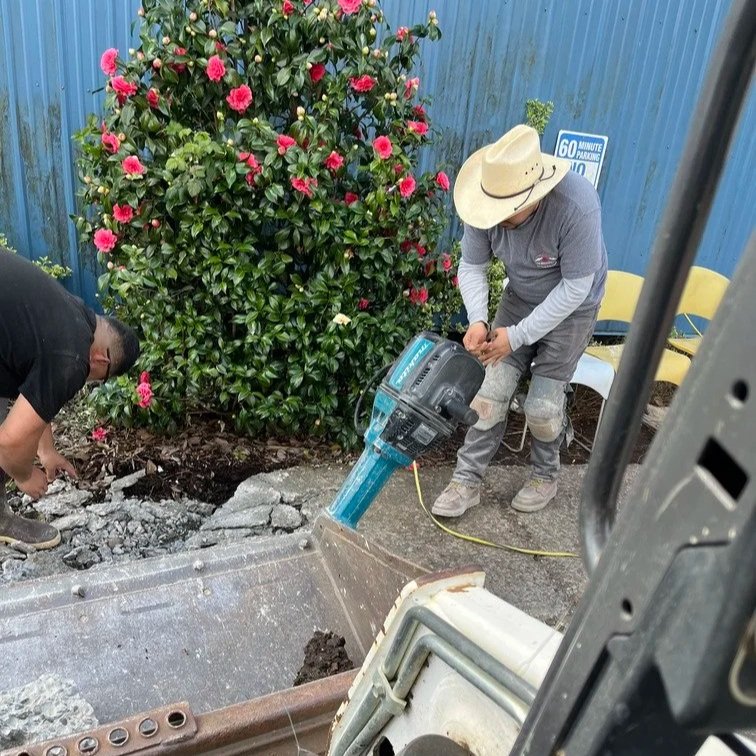
Proper excavation prep helps avoid headaches, delays, and expensive fixes.
Excavation work isn’t just about digging holes or moving dirt around. It’s a critical part of any construction or landscaping project, setting the stage for everything that follows. When done correctly, excavation lays a solid foundation for structures and guarantees that everything from driveways to foundations is stable and functional. However, cutting corners or skipping prep work can lead to costly mistakes down the road. Proper excavation prep helps avoid headaches, delays, and expensive fixes. Understanding the basics of excavation prep and the importance of precision can make a huge difference in the quality and longevity of your project.
Laying the Groundwork: Why Excavation Prep Matters
Before any dirt is moved or machinery is fired up, a proper site evaluation is essential. Excavation prep involves surveying the land to understand the topography, soil type, and any potential obstacles or challenges. The most important thing is to recognize the properties of the ground before beginning. Whether the land is rocky, sandy, or clay-heavy, different soil types require different techniques to provide stability.
Taking the time to survey the land properly can reveal hidden challenges. For example, an area might look flat and even but could contain pockets of loose soil or underground utilities. A quick survey can help identify any issues, such as areas prone to flooding, that could cause future problems if not addressed upfront. Excavation prep allows professionals to plan accordingly, avoiding costly surprises when the project is already underway.
Grading for Success
One of the key elements of excavation work is grading. Grading is the process of adjusting the land to achieve a desired slope or level. Whether you’re creating a foundation for a new home or leveling out the ground for a patio or driveway, proper grading is essential for both aesthetics and function.
If grading is not done correctly, water can pool around your foundation, driveway, or any other structures, leading to erosion or water damage. Water runoff management is crucial in the prep process, especially for areas where water tables are high or heavy rains are common. Even the slightest slope can make a big difference in directing water away from structures and preventing future damage. Proper grading guarantees that everything is in its place for optimal drainage and water management.
Digging into Drainage
Excavation prep isn’t just about moving dirt; it’s also about planning for proper drainage. An often overlooked aspect of excavation is how water can move across the land. Without proper drainage systems in place, water can pool in undesirable areas, causing soil erosion, damaging foundations, or creating soggy spots that are difficult to build on.
Digging trenches for water pipes, French drains, or sump pumps is often part of the excavation process. These systems help channel excess water away from the site, protecting both the surrounding landscape and any structures being built. Confirming that the land is properly prepped for water flow can save you time and money later on by preventing the need for costly repairs due to water damage or improper drainage.
The Role of Soil Quality
Soil plays a major role in excavation. Different types of soil can impact how well foundations or structures hold up over time. For example, clay-rich soil holds water and can become unstable, while sandy soil tends to erode more easily. Before digging, professionals analyze the soil type to determine the best method for stabilizing it. If the soil is too soft or loose, additional measures, such as compaction or the use of geotextile fabrics, might be necessary.
Soil tests also determine the load-bearing capacity of the ground. For heavier structures, such as buildings or large slabs, excavation workers may need to dig deeper and reinforce the ground with a stronger foundation. Without evaluating the soil properly, construction could be compromised, leading to structural issues or even foundation failure.
Removing Obstacles Before You Dig
Sometimes, the land appears to be clear, but once the excavation begins, hidden obstacles surface. Large rocks, tree roots, or old foundation remnants can gather in the way and cause delays if not planned for. Proper prep includes identifying these potential issues before the machinery starts moving dirt.
Land clearing can involve removing trees, rocks, and debris from the site. Tree roots, especially, can be a major challenge in excavation work. Roots can interfere with digging and pose a risk to the structural integrity of the project if not properly removed. Even if you’re not building on the area directly, understanding what lies beneath can prevent unnecessary expenses for site cleanup later on.
Dealing with Underground Utilities
One of the most critical aspects of excavation prep is locating and identifying underground utilities. Water, gas, and electricity lines can be buried beneath the surface, and hitting one of these lines while digging could result in major problems, including service interruptions or dangerous accidents.
Before starting any excavation, professionals contact utility companies to have the area marked with paint or flags. This spot marks the location of all underground utilities, helping to prevent any accidental damage. Excavating around these lines requires extra care and precision. Knowing where they are and accounting for them in the excavation process is crucial to avoid costly repairs or dangerous situations.
The Tools of the Trade
Excavation work requires more than just a shovel and a lot of muscle. Heavy-duty machinery plays a central role in moving large quantities of dirt, leveling the ground, and digging trenches. Bulldozers, backhoes, and excavators are commonly used for different tasks, each designed to handle specific jobs. Having the right equipment for the job is vital to both the speed and precision of the work.
For example, a skid steer might be used to clear away debris and level smaller areas, while an excavator is better suited for deeper digging or trenching. The size and type of machine used may depend on the size of the project and the type of soil being worked with. In addition to machinery, workers use tools like levels, shovels, and compaction equipment to fine-tune the work. Properly maintained equipment helps the job run smoothly and prevents unnecessary downtime due to mechanical failure.
Safety First, Always
Excavation work is inherently risky, so safety is of utmost importance. Workers must wear protective gear, including hard hats, steel-toed boots, and high-visibility clothing, to stay safe on the job. Excavation sites should also have proper barriers and signs to keep unauthorized personnel out of dangerous areas.
Trench safety is one of the most important factors in excavation. Trenches are particularly vulnerable to cave-ins, so safety measures like shoring, trench boxes, or sloping the sides are essential. Working with an experienced excavation team means peace of mind that proper safety protocols are in place and that workers are trained in emergency procedures.
The Bottom Line: Prep Pays Off
Excavation prep might not be the most glamorous part of a project, but it’s one of the most crucial. Taking the time to survey the land, evaluate the soil, plan for drainage, and remove obstacles can save both time and money in the long run. Excavation work done right sets the stage for everything that follows, from foundations to landscaping. Cutting corners in the prep phase may seem like a way to save money up front, but it often leads to costly mistakes later on. Proper excavation prep isn’t just a matter of digging—it’s about setting a solid foundation for a successful project.
PTTC Concrete offers residential property owners in Olympia, Washington with quality excavation solutions. We specialize in residential excavation for foundations and site preparation for construction. Our skilled and knowledgeable team ensures clear communication and long-lasting quality. We provide solutions that stand the test of time. Call now for a free estimate.
