
Level Up with the Art and Engineering of Perfect Slab Pours
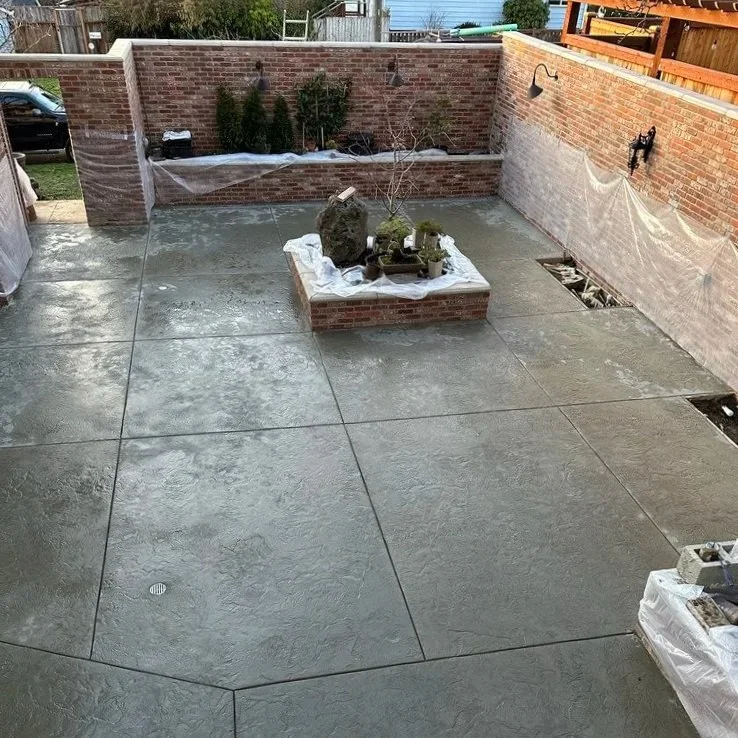
Slab work might appear simple, but true excellence comes from knowing how to pour, where to reinforce, and when to stop smoothing.
Concrete might not wear a tuxedo, but when poured with skill, it dresses a space like nothing else can. Behind every smooth, level surface lies a satisfying blend of geometry, grit, and good decisions. New slab pours are about more than hardening mud—they're the foundation of form and function, and when done right, they last for decades without demanding much more than admiration.
Slab work might appear simple, but true excellence comes from knowing how to pour, where to reinforce, and when to stop smoothing. There's a rhythm to it, a science, and maybe a little magic. Well, maybe not magic—more like math with a side of muscle.
Formwork Is Where It Starts
Before any concrete touches the ground, good formwork sets the tone. Straight, level forms frame the slab like a perfect picture. If they bow, the slab sags. If they shift, so does the shape. Forms define the boundaries, thickness, and alignment, whether it's a patio tucked into a backyard or a garage floor ready to handle real weight; strong edges matter.
Wood is the usual go-to, but steel forms come into play when precision takes center stage. Every curve, corner, and joint must be tightly held in place. A well-built form doesn't just create a clean edge—it gives the whole slab the confidence to stay put while it cures.
Site Prep Makes or Breaks It
Slabs don't just sit on dirt and hope for the best. They rely on a well-compacted sub-base that resists shifting and drains water like a champ. Crushed stone or gravel spreads beneath the slab to provide stability, allowing the concrete above to stay level, even when the weather changes its mind every few hours.
The base needs to be even, compacted, and slightly sloped if drainage is involved. Pour on a soft or uneven surface, and even the strongest concrete will crack a few months down the line. No one wants a slab that slouches.
Mixing with Purpose
Concrete mixes are as varied as coffee orders. Each one serves a specific role. High-strength mixes with added reinforcement are ideal for structural slabs. Lighter-duty mixes handle patios and walkways. It's all about matching the right blend to the job's demands.
Additives bring flair to the mix. Air entrainers help resist freeze-thaw cycles. Water reducers improve workability without weakening the slab. Fibers add crack resistance in a way that's nearly invisible but incredibly effective. The chemistry matters just as much as the craftsmanship.
Placing with Precision
Concrete waits for no one. Once it's mixed, the clock starts ticking. Pouring a slab is a team sport that thrives on coordination. The mix needs to flow smoothly across the forms, settle evenly, and avoid cold joints where one section starts to set before the next arrives.
Crews work fast but deliberately. Screeding levels the surface, removing excess material while evening things out. It's a race to flatten, float, and finish before the concrete loses its workable texture. The real magic is in the balance—moving quickly enough to stay ahead, slowly enough to do it right.
Leveling to Perfection
A level slab looks better, feels better underfoot, and performs better over time. Laser levels and straightedges become best friends during the pour, keeping everything even from one end to the other. Small deviations can cause pooling, trip hazards, or gaps under doors—not ideal for a surface meant to support daily life.
Floating helps bring the fine material to the surface, creating a smoother finish, and troweling polishes things further, depending on the final texture desired. For outdoor surfaces, a broom finish adds traction. Indoors, a polished slab can shine like marble.
Reinforcement That Doesn't Mess Around
Steel hides inside the concrete like a secret superhero. Rebar grids or welded wire mesh give concrete the muscle it needs to handle tension. Concrete loves compression but hates being pulled apart. That's where steel steps in.
It's critical to place reinforcement in the right spot—neither sunk at the bottom nor floating on the surface. Chairs or supports lift the steel into the slab's sweet spot, usually around the middle third. It's the kind of attention that keeps cracks at bay and strength on display.
Joints Are Strategic, Not Accidental
No matter how perfectly poured, concrete wants to crack. The trick is to tell it where to do so. Control joints guide cracking along straight lines, spaced based on slab size and thickness. They're cut or formed during finishing, giving the slab space to move as it cures and shrinks.
Expansion joints offer wiggle room between slabs, buildings, or other structures. Without them, slabs press against each other until something gives. The result isn't pretty. Properly placed joints create a clean look and long-term stability.
Curing Like a Pro
Curing is the most underrated step of the whole process. Without it, a slab might look good for a week and then start crumbling like an overbaked cookie. Moisture must remain in the concrete for the hydration process to complete. That's what gives the slab its full strength.
Plastic sheeting, curing blankets, or spray-on compounds help lock in moisture. Some crews mist the surface regularly, keeping it damp for several days. The longer the slab stays moist in those early days, the stronger it gets. Curing isn't glamorous, but it makes all the difference in slab longevity.
Adding Style Without Sacrificing Strength
Slabs don't have to look like sidewalks from the 1950s. Decorative finishes, color additives, and stamping techniques have turned bare concrete into a playground of creativity. Whether it's a warm terra cotta patio or a modern slate-textured walkway, concrete can shape-shift to suit nearly any aesthetic.
Color can be mixed into the batch or applied as a stain. Texture can be smooth, brushed, or pressed with patterns that mimic stone or tile. The style depends on the slab's role, but the result always adds value when paired with solid execution.
Planning for Use and Abuse
Driveways carry cars. Patios face the sun and rain. Garages deal with tools, oil, and the occasional dropped wrench. Each slab must be built for what it will experience daily. That means accounting for load, exposure, temperature swings, and even the furniture that might sit on top.
Going too light on any part of the slab process leads to callbacks, cracks, and client frustration. Planning for the real world—cars, weather, kids, pets, potted plants—is what separates a decent slab from a great one.
Pouring Confidence Into Every Job
The art and engineering behind new slab pours don't happen in isolation. They require foresight, knowledge, and an appreciation for both precision and practicality. A perfect slab isn't measured only by how smooth it looks when the trowel is packed away. It's measured by how well it performs in five, ten, or twenty years.
Concrete is a quiet worker. It doesn't ask for attention, but it rewards care with decades of strength. The difference between a forgettable surface and a foundational showpiece lies in the decisions made before the truck even arrives. When those decisions lean toward quality, every slab poured is a step up.
Trust PTTC Concrete for any custom concrete project in Olympia, Washington. Our skilled and experienced team offers decorative stamped concrete, custom pool deck, outdoor living spaces, new concrete slabs, and concrete retaining walls. Our dedicated team delivers top-quality concrete solutions, ensuring exceptional workmanship. Call today for free, no obligation estimates.
