
Winterproofing Concrete: Tricks to Survive Freeze and Thaw Cycles
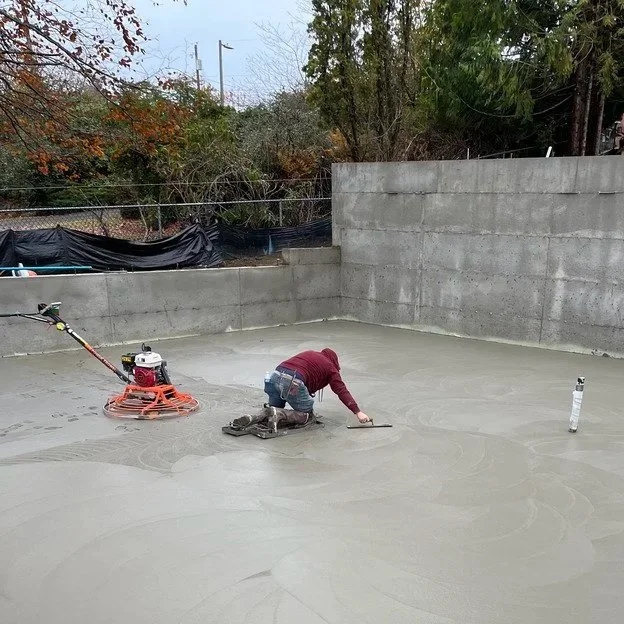
Freeze-thaw cycles can cause cracks, crumbling, and long-term damage, especially if the concrete isn't properly protected.
Concrete surfaces are known for their strength and durability, but when the harsh winter months roll around, they can take a serious beating. Freeze-thaw cycles can cause cracks, crumbling, and long-term damage, especially if the concrete isn't properly protected. Whether it's a driveway, walkway, or patio, winterproofing concrete is crucial for maintaining its integrity and keeping it looking good year after year. With a bit of preparation and some expert concrete services, you can make sure your concrete survives even the most brutal winter.
Understanding the Freeze and Thaw Cycle
To appreciate the importance of winterproofing, it's helpful to understand the freeze-thaw cycle. When the weather gets cold, water trapped in the concrete's porous surface freezes. As water freezes, it expands, putting pressure on the concrete. When the temperature warms up and the ice thaws, the water contracts again. This constant expansion and contraction put stress on the material, which can lead to cracks, chips, and, eventually, significant structural damage.
Proper concrete maintenance before winter sets in can reduce the impact of freeze-thaw cycles. With the right care, your concrete can handle whatever Mother Nature throws its way.
Seal the Deal with a Quality Concrete Sealer
One of the best ways to protect your concrete is by applying a high-quality concrete sealer. Sealers act as a barrier, keeping water from seeping into the concrete's porous surface. Water infiltration is a major culprit in winter damage, so by keeping it out, you can protect your concrete from freezing and cracking.
It's important to apply the sealer before the temperatures drop too low, as sealers require dry conditions and moderate temperatures to adhere properly. For the best results, choose a sealer designed specifically for winter weather. Your local concrete services provider can help you select the right product for your needs.
Fill Cracks and Potholes Before Winter Hits
Even small cracks in your concrete can allow water to seep in, and once it's trapped, it's only a matter of time before the freeze-thaw cycle does its damage. Before the cold weather arrives, take the time to inspect your concrete surfaces for cracks, chips, or potholes.
Use a concrete repair product to fill any cracks or holes you find. This easy step can save you from more extensive repairs down the road. For larger cracks, it's best to call in professional concrete services to handle the repair properly. They'll have the tools and expertise to make sure the job is done right, guaranteeing your concrete is fortified against the cold.
Routinely Remove Snow and Ice
Snow and ice might seem harmless, but when left to sit on concrete for extended periods, they can cause damage. As snow melts and refreezes, it can seep into cracks and refreeze, expanding and causing further damage.
After a snowstorm, be proactive about removing snow and ice from your concrete surfaces. Use a plastic shovel or a broom to clear snow. Metal shovels or sharp-edged tools can scrape and damage the surface. You can also apply ice melt, but be careful to choose a product that won't harm the concrete. Avoid using rock salt, as it can erode the surface over time.
Proper Drainage Is Key
Proper drainage is another essential element of winterproofing concrete. Standing water can ooze into cracks and freeze, causing more expansion and further damage to your concrete. Make sure that gutters and downspouts are clear, and that water is directed away from your concrete surfaces.
If you're dealing with a driveway or patio, make sure the surface slope allows for proper water runoff. If necessary, have your concrete services provider install drainage solutions, such as French drains or surface drains, to keep water away from your concrete and prevent pooling.
Consider Installing Heating Cables
For concrete surfaces that frequently accumulate ice and snow, consider installing heating cables. These cables are embedded in the concrete or placed just below the surface and heat the concrete to prevent snow and ice from accumulating in the first place.
While this solution might require a larger up-front investment, it can save time and money on snow removal and damage repair over the long term. Heating cables are especially useful for driveways, walkways, and patios where constant snow and ice can be a recurring problem.
Reapply Protection Annually
Even the best concrete protection wears down over time, especially with repeated exposure to harsh weather. That's why it's important to reapply sealer and perform other winterproofing maintenance annually.
Set a reminder each fall to inspect your concrete surfaces, fill any cracks, and apply a fresh layer of sealer. This preventative care can help you avoid costly repairs and confirm your concrete lasts for many winters to come.
Professional Concrete Services Make All the Difference
While there are many DIY steps you can take to winterproof your concrete, professional concrete services offer extra protection and expertise. Experts in concrete repair and maintenance can identify issues you may have missed, provide high-quality repairs, and apply the best sealers for your specific climate.
Teaming up with a professional can also save you time and effort, making sure that the job is done right the first time. When winter comes, you can rest easy knowing your concrete surfaces are protected from the freezing cold and thawing heat.
In Conclusion
Winterproofing concrete might not be the most glamorous home maintenance task, but it's one of the most important to secure the longevity of your concrete surfaces. Taking simple steps like sealing, repairing cracks, and removing snow and ice can go a long way in preventing winter damage. With a bit of extra care and the help of a professional, you can keep your concrete strong, safe, and looking good, no matter how harsh the winter weather gets.
PTTC Concrete is an Olympia, Washington-based concrete sealing and maintenance service provider offering protective concrete sealing, regular maintenance plans, concrete joint sealing, concrete grinding and leveling, and concrete resurfacing services. We aim to ensure that your concrete structures maintain their structural integrity and last longer. Count on our experienced and reliable team for timely communication and prompt job completion. Call now!
