
Concrete Resurfacing vs Replacement: How to Choose
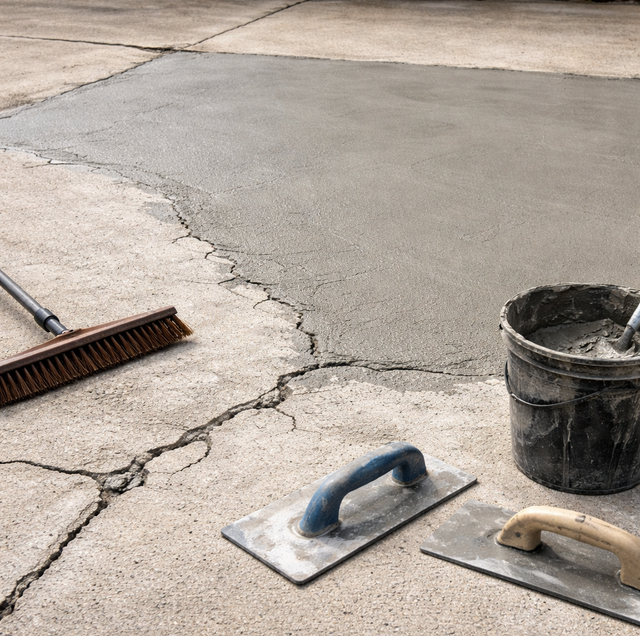
Quick Answer: Concrete resurfacing bonds a thin cement-based overlay over existing concrete to restore a worn, stained, or lightly cracked surface. It works only when the slab underneath is structurally sound. If the slab is sinking, heaving, or splitting from deep active cracks, resurfacing will fail, and the concrete needs repair, lifting, or replacement instead.
Your driveway or patio looks rough. The surface is worn, blotchy, maybe flaking in spots, with a few thin cracks tracing across it. The whole thing reads as tired, and the first assumption is usually that it all has to come out. That is not always true. In many cases, the slab under your feet is still doing its job perfectly well, and only the top layer has failed. That distinction is the entire reason concrete resurfacing exists, and knowing which situation you are in decides whether you spend on a surface refresh or a full rebuild.
What Concrete Resurfacing Actually Is
Resurfacing is the process of applying a thin, cement-based overlay on top of concrete that is still solid. The overlay bonds to the cleaned and prepared surface, then gets finished and sealed, leaving a fresh top layer where the old worn one used to be. The overlay is usually a polymer-modified cement, meaning polymers are blended into the mix so it grips the old slab and resists cracking better than plain cement would.
The single most important point comes before any decision about looks or finish: the slab beneath the overlay has to be structurally sound. Resurfacing renews the surface. It does not add strength; it does not fix what is happening in the ground below, and it cannot hold together concrete that is already failing structurally. An overlay is only as stable as the slab it sits on. Put a fresh coat over a slab that is still moving, and the new surface will crack right along the same lines the old one did, often within a season or two.
That is why any honest resurfacing conversation starts with an assessment of the base, not a sample of finishes.
What Resurfacing Fixes
When the slab is sound, an overlay solves a long list of cosmetic and near-surface problems:
Surface wear and worn spots: Years of foot traffic, tires, sun, and rain wear down the top of concrete. Aggregate starts to show, the finish goes rough, and high-traffic paths look polished or pitted. An overlay restores a uniform, intact surface.
Discoloration and staining: Rust marks, oil shadows, efflorescence, and uneven graying all live in the top layer. Covering that layer with a fresh overlay gives you a clean, consistent color instead of a patchwork.
Minor and shallow cracks: Thin, stable, hairline cracks that are not moving can be filled and locked in under the overlay. The key word is stable. A crack that stays put is a surface flaw. A crack that keeps opening is a different problem entirely.
Spalling and flaking surfaces: When the top skin of concrete pops, flakes, or peels off in small patches, that is surface-level spalling. As long as it has not eaten deep into the slab, an overlay rebuilds the missing top layer.
A dated or plain look: Sometimes the concrete is fine and just looks dull. Overlays open up decorative options: stamped patterns that mimic stone, brick, or tile, and stained or tinted finishes in a range of colors. You get a new look on the same footprint, without demolition.
That last point is worth sitting with. A stamped or stained overlay can make a plain gray slab look like a high-end hardscape, all while reusing the concrete you already own.
What Resurfacing Does Not Fix
This is where good judgment saves money and heartache. Resurfacing is a surface treatment, so anything wrong below the surface is out of its reach:
A structurally failing slab: If the concrete is crumbling through its full depth, riddled with serious damage, or has lost its integrity, no overlay will save it. A weak slab stays weak under a pretty top coat.
Deep, active, or heaving cracks: Cracks that are wide, that keep growing, or where one side has lifted above the other signal movement. That movement comes from the slab or the ground, and an overlay cannot stop it. The new surface simply cracks along the same fault.
A sinking or settling slab: When a slab has dropped, tilted, or pulled away from an adjoining surface, the soil under it has shifted or washed out. The fix there is lifting the slab back into position or replacing it, not coating the top.
A bad base: If the original slab was poured over poorly compacted or unstable ground, it will keep moving no matter what goes on top. The problem is underneath, and it has to be solved underneath.
In all of these cases, the right path is repair, slab lifting, or full replacement. Spending on an overlay first only means paying twice.
How the Process Works at a High Level
A proper resurfacing job follows a consistent sequence, and each step earns its place:
Clean and profile the surface: The old surface gets thoroughly cleaned, then profiled, which means opening up the concrete's texture so the overlay has something to grab. This is often done by grinding or shot-blasting.
Grinding concrete releases silica dust, which is a real respiratory hazard, so profiling is pro work done with wet methods, vacuum dust collection, and respirators. It is not a casual weekend task.
Repair the cracks and defects: Stable cracks and small voids are cleaned out and filled so they do not telegraph through the new surface. Active or structural cracks, by contrast, are a stop sign, and resurfacing over them is a mistake, because the overlay will follow the crack.
Apply the bonding overlay: The overlay is mixed and applied over the prepared surface. A sound bond between old and new is what makes the whole system last, which is why surface prep matters so much, and why temperature and cure conditions have to sit within the product's window. Too cold, too hot, or too wet during curing, and the bond suffers.
Finish and seal: The overlay is finished to the chosen texture, whether smooth, broom-textured, or stamped, then colored if desired and sealed. The sealer protects the new surface against moisture, staining, and wear.
How to Tell Which Slab You Have
You can usually sort your own concrete into one of two buckets before a pro ever arrives.
Moving is the replacement or lifting candidate. If the slab has sunk, tilted, or heaved; if cracks are wide and stepped, with one side sitting higher than the other; or if a corner rocks under weight, the base is the problem. No surface treatment fixes a base problem.
Sound but ugly is the resurfacing candidate: the slab sits level and does not rock, even if it is stained, worn, or lightly spalled. If it has sunk, tilted, heaved, or a corner rocks under weight, the base is the problem and no surface treatment fixes that.
A useful mental model: resurfacing is like refinishing a hardwood floor whose joists are solid. Sand off the tired top layer and lay down a fresh finish, and the floor is like new. But if the joists underneath are sagging, refinishing the boards does nothing for the sag, and you have to deal with the structure first. Concrete works the same way. The overlay is the finish; the slab and soil are the joists.
Two forces are always working on outdoor concrete, and both matter year-round. Water is constant: it seeps in, saturates the base, and washes out supporting soil, which is what leaves slabs unsupported and prone to settling. Temperature swings matter too: when trapped moisture freezes, it expands and pries the surface apart, and repeated heating and cooling cycles the slab and work cracks wider over time. A candidate slab needs a base that manages moisture and drainage well, because an overlay does nothing to fix water getting underneath.
The Payoff, and Why a Pro Assesses First
Done on the right slab, resurfacing gives you a fresh, durable, sealed surface, with the option of a decorative upgrade, without the mess, waste, and disruption of tearing out and repouring concrete. You reuse a sound slab instead of sending it to a landfill, and the finished surface can carry the same traffic as the old one.
The catch is that everything rides on that first judgment call. A pro assessment checks whether the slab is level and stable, reads the cracks to tell stable from active, looks at drainage and how the base is behaving, and confirms the surface can be prepped and bonded properly. Only then does resurfacing make sense as a recommendation. Skip that step, coat a moving slab, and the overlay inherits every flaw below it. Get the assessment right, and a tired slab comes back looking and performing like new.
Frequently Asked Questions
A well-installed, properly sealed overlay on a sound slab commonly holds up for a decade or more, though lifespan depends heavily on traffic, drainage, and resealing. Most overlays benefit from a fresh coat of sealer every few years, especially on driveways and other high-wear surfaces, and skipping that resealing is the most common reason an otherwise good overlay wears out early.
Yes, a sound slab can often be resurfaced again down the road, but each new overlay adds thickness. On a driveway that already sits flush with a garage floor or door threshold, added height can interfere with clearance or drainage, so the buildup has to be planned. In some cases, the old overlay is ground down before a new one goes on rather than simply stacking another layer on top.
It does add a small amount of thickness, since it is a real layer of material rather than a paint. The rise is usually modest, but it matters most where the concrete meets a door, a garage slab, or a step, because even a slight change can affect how a door swings or where water drains. A pro accounts for these transition points before applying the overlay.
Smooth overlay finishes can get slick when wet, which matters in a consistently damp climate. This is managed by choosing a textured finish, a broom finish, or adding a fine anti-slip grit to the sealer, particularly on pool decks, walkways, and any sloped surface where traction counts. The texture is chosen based on where the surface is and how it gets used.
No, curing depends on temperature and moisture, so overlays are applied within a specific window, typically well above freezing and out of direct downpour or standing water during the cure. Applying an overlay when it is too cold, too hot, or too wet weakens the bond and the finish, which is one reason installation is scheduled around conditions rather than rushed.
It permanently addresses stable, non-moving cracks by filling and covering them, so they do not reappear. It does not fix cracks caused by ongoing movement or a shifting base, because those keep working and will eventually show through or reopen in the new surface. That difference, stable versus active, is exactly why a slab is assessed for movement before any overlay is recommended.
Not sure if your slab should be resurfaced or replaced — get an honest assessment before you spend on either. PTTC Concrete LLC serves Olympia, Tacoma, and Lacey. Call (253) 785-2490.
